
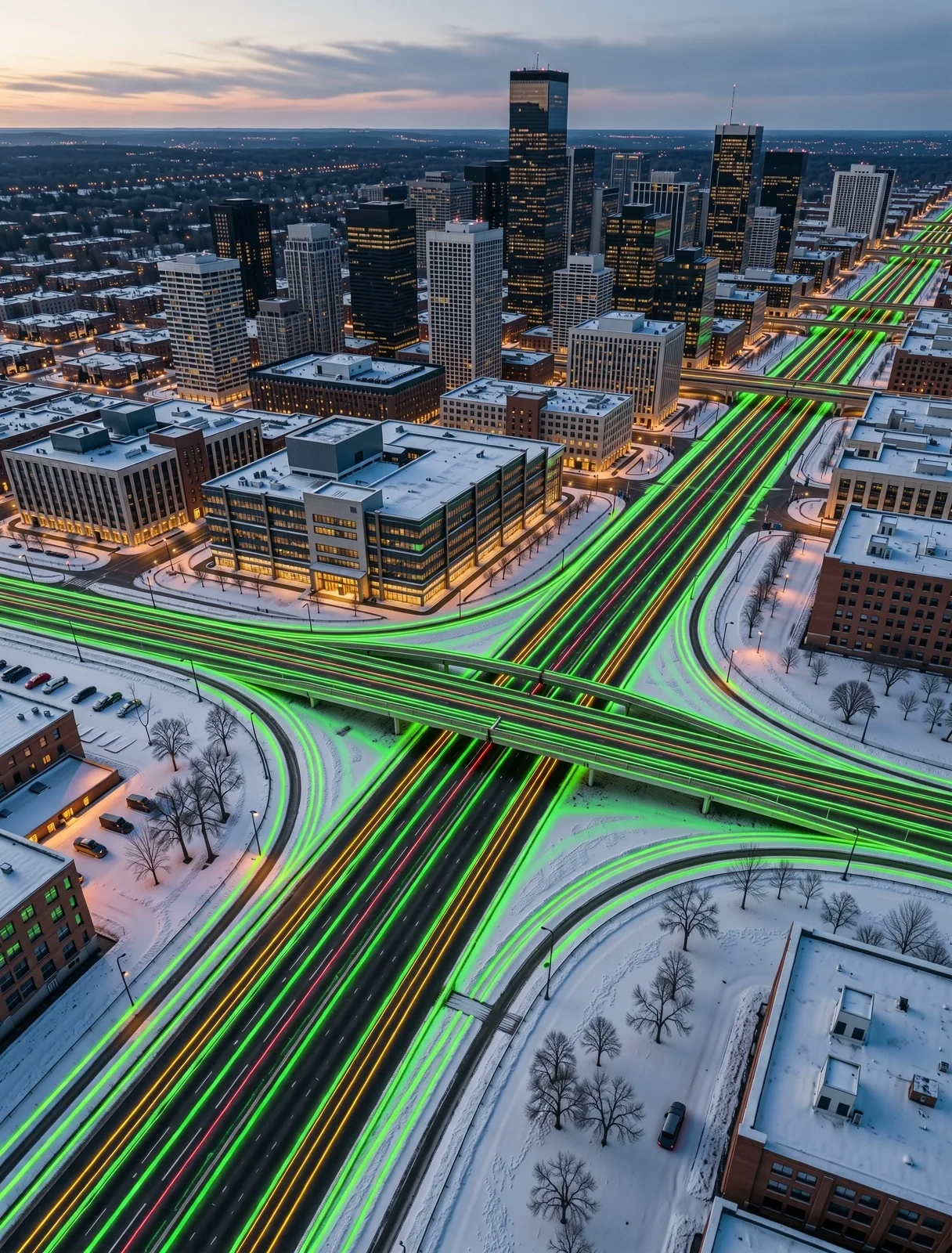
Spatial intelligence for the perimeter.
REACCT validates computer vision models against the extreme variables of the Canadian climate. Our case studies represent the intersection of algorithmic precision and environmental unpredictability.
Dense Urban Snowfall Interference in Toronto
Montreal and Toronto present a unique challenge: high-density urban noise combined with aggressive particulate diffraction from blowing snow. Standard vision stacks often fail as optical albedo levels from asphalt and snow-walls merge.
REACCT deployed a multi-modal LiDAR-Vision Fusion calibration. By adjusting the weight of depth-mapping sensors during peak white-out events, we maintained a reliable bounding-box accuracy for vulnerable road users (VRUs).
Methodology: Albedo Compensation
Calibration of image labeling accuracy during low-light/high-glare Canadian sunsets to prevent "snow-blind" detection dropouts.
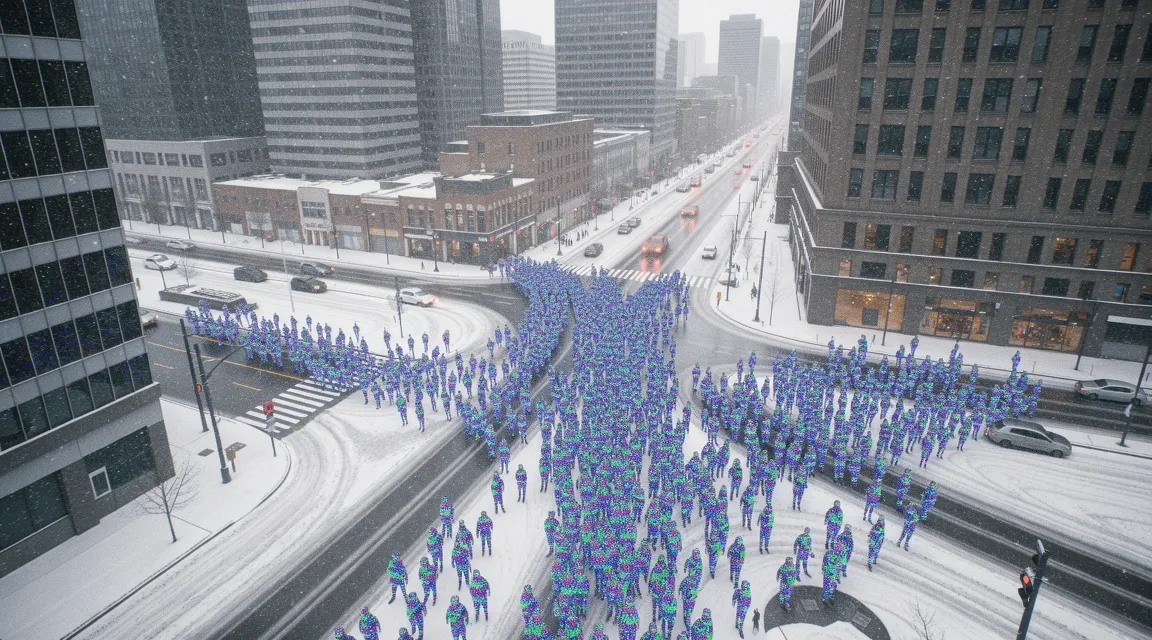
Input: RAW_LIDAR_FIELD
Proving REACCT handles high-complexity urban noise where standard vision stacks regress.
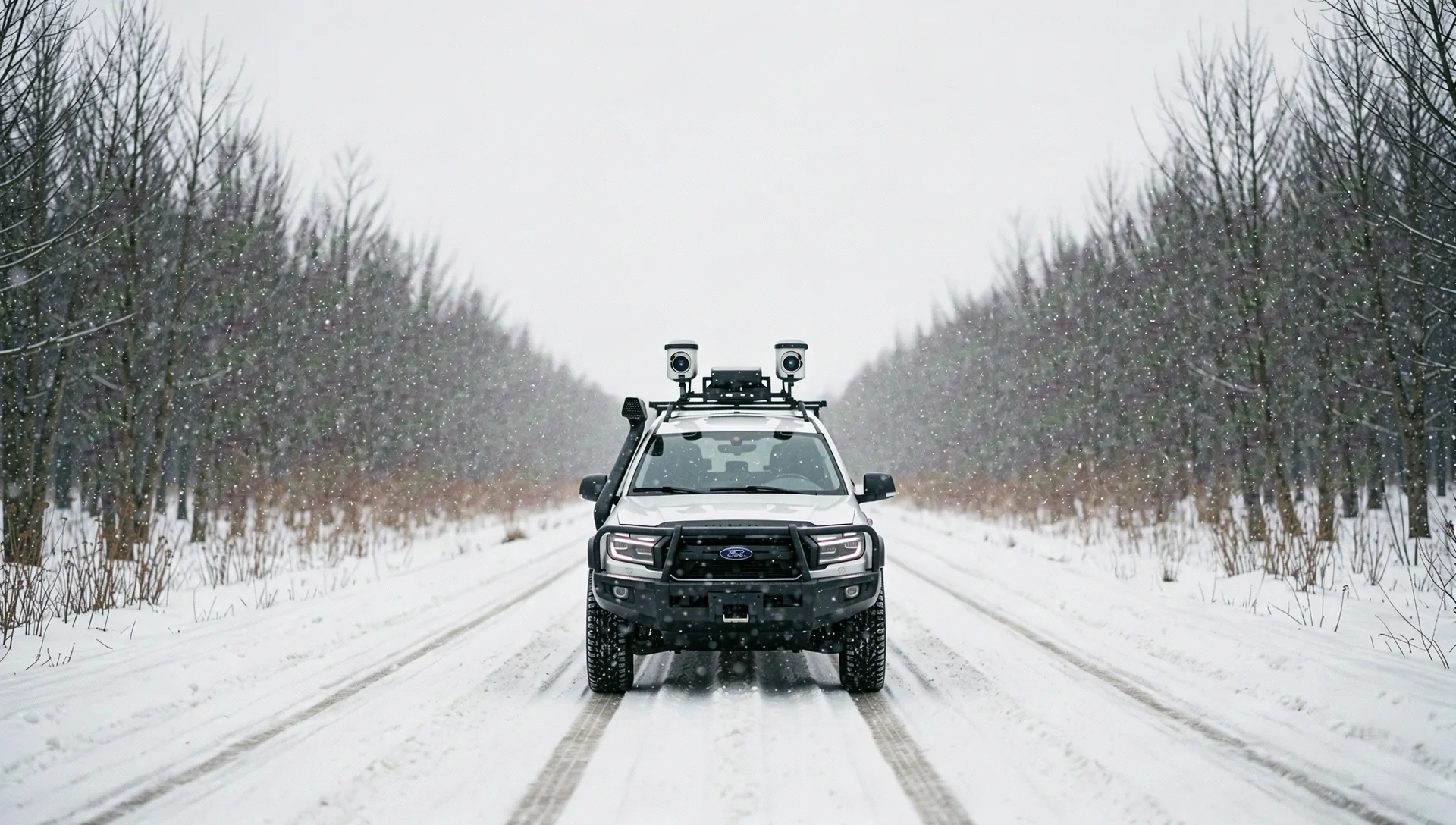
The 45th Parallel Complexity.
Testing international perception software for the unique refraction challenges of northern road morphology.
Application Archive
Situational problem-solving for northern transit compliance.
High-Latitude Glare Filter
Wildlife Edge-Case Detection
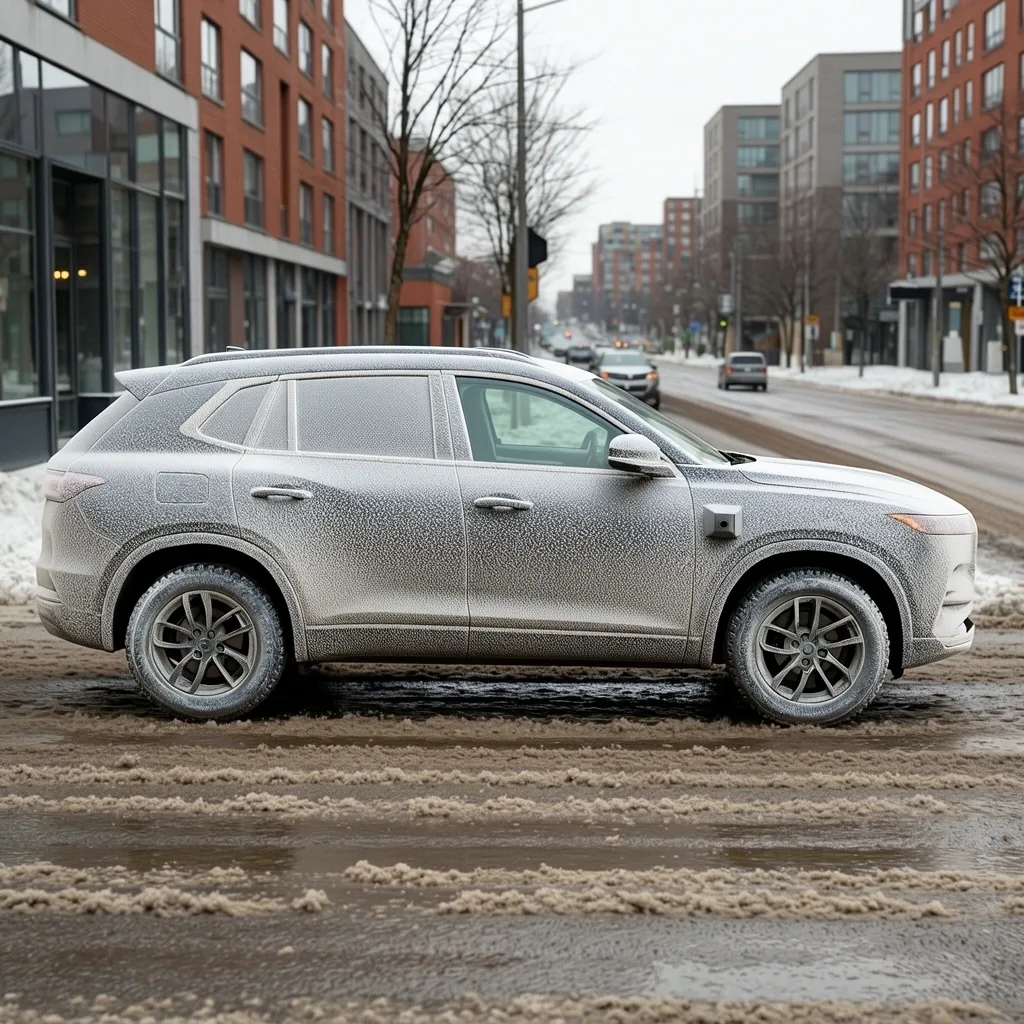
Salt-Fog Sensor Occlusion
The REACCT Precision Framework
Choosing the right validation path is critical for project safety and budget efficiency. We provide the expertise to verify logic in simulation and environmental refraction on-road.
-
Simulation Path
Verification of control logic and basic pedestrian response patterns. Ideal for early-stage software iteration.
-
Real-World Road Testing
Mandatory for verifying how sensor lenses handle atmospheric particulates, glare, and salt buildup.
Ready to validate your Vision Stack?
Our consultancy services provide deep-dive audits for software developers adapting to the Canadian market.